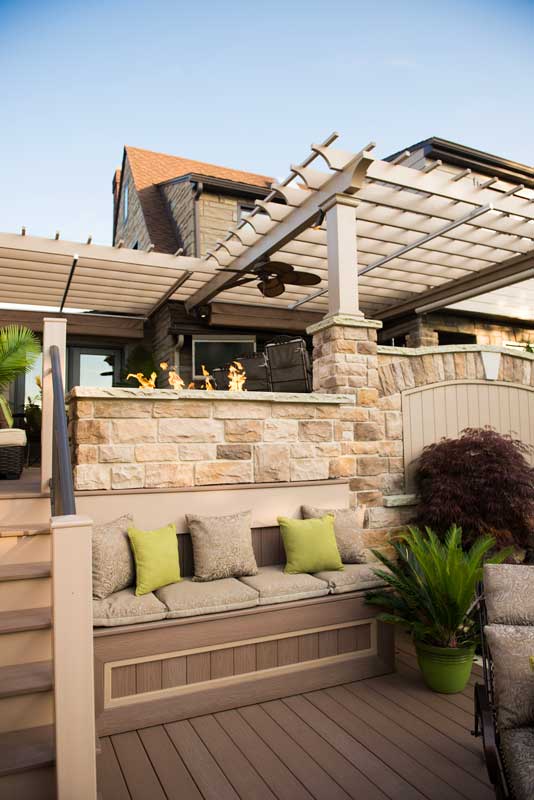
Landscape architecture plays a pivotal role in shaping how outdoor environments function, feel, and endure over time. It extends far beyond plant selection or surface-level aesthetics, integrating environmental science, engineering principles, and thoughtful design to build outdoor living spaces that are purposeful and sustainable.
This guide offers an in-depth examination of what landscape architecture entails, its distinctions from general landscape design and installation, and the importance of collaborating with licensed professionals, such as Brown Design Group, for complex residential, commercial, and institutional projects.
From early planning through final implementation, landscape architecture transforms ideas into structured, functional environments that respond to both people and place.
A landscape architect is responsible for planning, designing, and overseeing the development of outdoor environments. Their role blends creative vision with technical expertise, ensuring that a project is not only visually cohesive but also compliant, functional, and environmentally responsible.
Landscape architects are trained to evaluate sites holistically. This includes understanding topography, soil conditions, drainage patterns, existing vegetation, and how people will navigate and utilize the space. Their work often begins long before any physical changes occur on-site.
Key services provided by landscape architects include:
Landscape architects also frequently collaborate with architects, engineers, and municipal agencies to ensure projects meet zoning requirements, accessibility standards, and environmental regulations.
The terms “landscape architecture” and “landscape design” are often used interchangeably; however, they represent distinct levels of training, responsibility, and project scope.
Landscape architecture is a licensed profession. Landscape architects complete accredited university programs, pass rigorous examinations, and maintain licensure through continuing education. This enables them to create technical drawings, submit plans for permitting, and assume legal responsibility for complex site designs.
For projects involving structural elements, drainage challenges, municipal approvals, or long-term site planning, landscape architecture provides the level of expertise required to move from concept to completion responsibly.
A structured design process ensures that projects remain aligned with client goals, site conditions, and regulatory requirements. At Brown Design Group, landscape architecture is approached as a collaborative and methodical process rather than a one-size-fits-all solution.
The process typically includes several key phases.
The first step involves understanding the client’s goals, constraints, and timeline. This is paired with a thorough site analysis, which may include reviewing surveys, evaluating existing conditions, and identifying potential challenges such as drainage issues or zoning restrictions.
Based on the information gathered, preliminary concepts are developed. These concepts explore layout options, circulation patterns, spatial relationships, and overall design direction. At this stage, ideas are refined through discussion rather than finalized.
Concepts are adjusted based on client feedback and technical considerations. Materials, planting strategies, and functional elements are clarified to ensure the design meets the aesthetic and practical requirements.
Detailed drawings are prepared to guide implementation. These documents may be used for permitting, contractor bidding, and construction oversight. Landscape architects often remain involved during this phase to address questions, review progress, and ensure the design intent is upheld.
This phased approach reduces uncertainty, helps control costs, and enables decisions to be made with a comprehensive understanding of the long-term implications.
Sustainability is no longer a secondary consideration in landscape architecture—it is a foundational component of responsible site design. Thoughtful planning can reduce environmental impact while improving long-term performance and maintenance efficiency.
Modern landscape architecture emphasizes working with natural systems rather than against them. This includes strategies such as:
Sustainable landscapes are not only environmentally responsible; they are also more resilient and cost-effective over time. By addressing these considerations early in the design process, landscape architects help clients avoid future complications related to erosion, water runoff, or excessive maintenance.
Outdoor projects often encounter obstacles that are not immediately visible at the outset. Understanding these challenges in advance allows them to be addressed proactively.
Local regulations can affect setbacks, grading limits, stormwater requirements, and allowable structures. Landscape architects are trained to navigate these constraints and prepare documentation that aligns with municipal standards and regulations.
Poor drainage is one of the most common issues in outdoor environments. Without proper planning, water can damage structures, plantings, and hardscapes. A landscape architect evaluates drainage patterns early to prevent costly corrections later.
Design decisions have long-term cost implications. A phased or prioritized approach allows projects to remain flexible while staying within realistic financial parameters.
Outdoor environments intersect with architecture, civil engineering, and utilities. Landscape architects act as coordinators, ensuring all elements function together rather than in isolation.
Addressing these challenges early reduces delays, minimizes rework, and supports a smoother construction process.
Selecting the right landscape architecture firm is a crucial decision that significantly impacts both the outcome and efficiency of a project. Experience, credentials, and process transparency should all be considered in the evaluation.
When assessing potential firms, consider the following:
A qualified landscape architecture firm provides more than design drawings—it offers guidance, foresight, and accountability throughout the project lifecycle.
Landscape architecture bridges the gap between vision and execution. It requires an understanding of natural systems, regulatory frameworks, and human interaction with space. When approached thoughtfully, it results in outdoor environments that are cohesive, functional, and durable.
Brown Design Group approaches landscape architecture with an emphasis on clarity, technical precision, and contextual design. By guiding projects from early concepts through implementation, they help clients make informed decisions that support both immediate goals and long-term performance.
Whether shaping a residential landscape or planning a complex commercial site, working with licensed landscape architecture professionals ensures that outdoor spaces are designed with intention, responsibility, and enduring value.
Contact Brown Design Group today to learn more about our landscape architecture services.

