Crafting a successful landscape is more than arranging plants and hardscape elements. It’s about understanding context. Every region has its own unique identity, shaped by its geology, climate, and culture. When landscaping materials reflect these elements, the landscape looks authentic, resilient, and connected to its surroundings.
Rolling hills, layered geological formations, and a long history of quarrying and craftsmanship define Western Pennsylvania’s terrain. These physical qualities influence not only the materials available locally but also how they behave in the region’s climate.
Local materials sourced from the surrounding areas integrate seamlessly into this environment. The colors, textures, and structural qualities of regional stone and wood create a seamless integration between built elements and the natural setting.
Materials sourced from Western Pennsylvania adapt easily to the region’s weather patterns. They withstand frequent freeze–thaw cycles, shifting soils, and heavy seasonal precipitation better than many imported alternatives.
Stone quarried locally has a natural density and composition suited for the region’s winters. Regional hardwoods respond predictably to humidity changes and temperature swings. Using materials that are native to this climate reduces the risk of premature wear and ensures long-term structural integrity.
Selecting local materials minimizes transportation distance, resulting in lower carbon emissions and energy use. Shorter shipping routes also reduce the likelihood of damage during transit.
Many clients appreciate knowing their project supports a more environmentally responsible approach to sourcing. This aligns with broader sustainability goals without compromising quality or design flexibility.
Regional materials often offer cost efficiencies simply because they do not require extensive transportation or handling. You can redirect these savings into custom detailing, plant variety, or structural enhancements that elevate the project’s design.
Cost-effectiveness here is not about lower quality, it’s about making thoughtful decisions that respect both the budget and the environment.
Local materials naturally reflect the tones and textures of the Western Pennsylvania landscape—soft grays in limestone, warm shades in sandstone, and distinct grain patterns in regional timber.
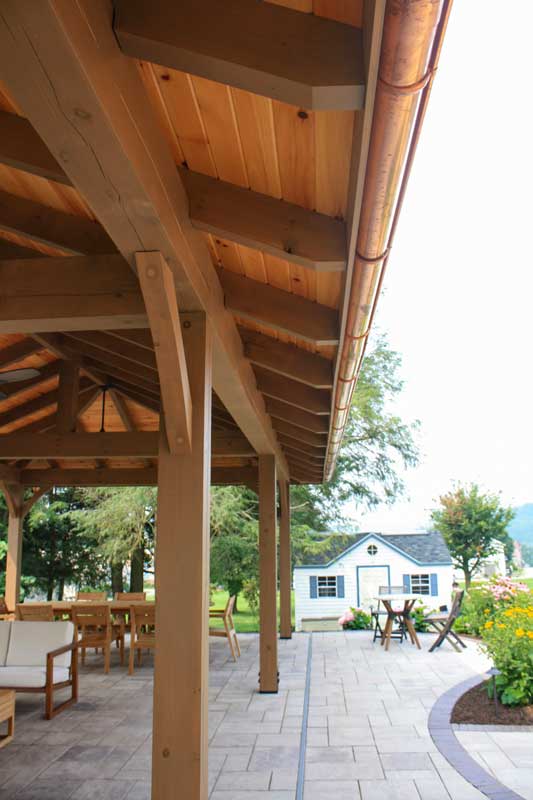
Whether used for a patio, a retaining wall, garden edging, or a walkway, these materials create a sense of place. The landscape feels grounded because its components belong to the environment from which they came.
Using local materials does not limit creativity; instead, it offers a palette that is both versatile and well-suited to the site’s conditions. Some of the materials frequently incorporated into our projects include:
Bluestone, known for its durability and natural color variation, is well adapted to the region’s freeze–thaw cycle. It’s a durable choice for patios, walkways, and step treads.
Locally quarried sandstone and limestone are strong structural options for retaining walls, garden borders, and naturalized seating areas. Their colors complement the surrounding landscape, blending with plantings and surrounding terrain.
Regional hardwoods provided unmatched durability in outdoor settings. They work well for structural elements, screens, benches, and pergola components because they withstand moisture and seasonal temperature fluctuations.
Aggregates sourced from Western Pennsylvania’s riverbeds and quarries provide natural coloration and texture, making them great for use in drainage solutions, pathways, and accent areas where subtle detailing adds depth to the design.
Historic brick, barn beams, and repurposed stone add cultural context and character. When used thoughtfully, these materials create a visual bridge between old and new, honoring the region’s architectural past.
A successful landscape ages well. Using materials native to the region supports this goal in several ways:
Materials like local stone are compatible with the various regional soil compositions. This reduces settling issues, improves drainage reliability, and supports structural stability.
Local stone and wood weather in familiar patterns. Their color changes, surface patina, and aging process align with the broader environment, helping the landscape maintain cohesiveness over time.
If a project requires future updates or expansions, sourcing matching materials is easier when they come from the surrounding areas. This continuity helps you maintain a cohesive design over the long term.
Using local materials is as much about meaning as it is about practicality. Stone from Western Pennsylvania’s quarries or timber from regional mills connect the finished landscape to the history and geology of the area.
This approach creates spaces that feel rooted—not just placed. The landscape becomes an extension of its environment, rather than an imported concept.
Every material selection strengthens the relationship between the built project and the land on which it sits. The result is a landscape that feels both natural and intentional, and is well-suited to the region.
Landscape architecture grounded in local materials is not a trend; it’s a practice built on understanding. By selecting components that reflect Western Pennsylvania’s character, we design outdoor environments that look cohesive, function reliably, and remain resilient throughout the seasons.
This approach supports sustainability, respects the site, and provides long-term value without unnecessary complexity. Local materials are not only practical—they are foundational to creating landscapes that truly belong in this region.
If you’re ready to explore how a place-based design approach can elevate your outdoor environment, Brown Design Group can help guide the process. We welcome the opportunity to collaborate with you on a landscape that feels both functional and deeply rooted in its surroundings. Contact us today to get started!

